
 By Mike Lee
Introduction: The Beating Heart of Modern Civilization
When we speak of “industry,” we invoke an idea far grander than factories, smokestacks, or assembly lines. Industry is the relentless force that has propelled civilizations forward, transforming raw materials into marvels of engineering, ideas into innovations, and dreams into tangible progress. From the first steam engines of the Industrial Revolution to the automated smart factories of today, industry is both a mirror of human ambition and a driver of societal evolution.
A Brief History: From Steam to Silicon
Industry as we know it today emerged from the 18th-century Industrial Revolution—a seismic shift that redefined economies and societies. Before this era, production was largely local and manual. Artisans and small workshops dominated commerce. The advent of mechanization changed everything. Steam engines, textile mills, and the birth of railways created urban centers bustling with opportunity, but also with hardship and inequality.
The 20th century witnessed the rise of mass production. Henry Ford’s assembly line brought affordability and efficiency to unprecedented levels, giving birth to a consumer culture that continues to define modern economies. The post-war boom fueled rapid industrialization worldwide, spreading manufacturing power beyond Europe and North America to Asia and other developing regions.
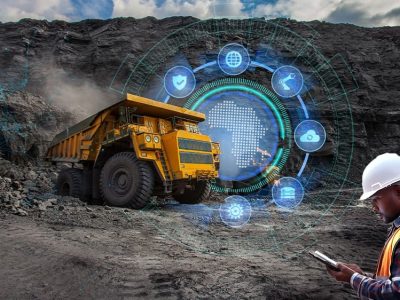
Today, we stand amidst the Fourth Industrial Revolution—a digital transformation where artificial intelligence, robotics, and the Internet of Things (IoT) reshape industries across the globe.
Key Pillars of Modern Industry
Modern industry is vast and varied, yet a few fundamental pillars uphold its structure:
-
Manufacturing: From automobiles to electronics, manufacturing remains the backbone of industrial economies, driving exports and creating jobs.
-
Energy: No industry can thrive without energy. Oil, gas, renewables, and emerging technologies like hydrogen fuel cells are pivotal players.
-
Technology: Software, automation, and data analytics are now integral parts of industrial operations, enhancing productivity and precision.
-
Logistics and Supply Chains: Global industries rely on intricate networks to transport raw materials and finished goods across continents.
-
Human Capital: Even in an age of automation, skilled human labor—engineers, operators, innovators—remains irreplaceable.
Industry and Economic Prosperity
It is no exaggeration to say that industry fuels national prosperity. Industrial sectors generate significant GDP, stimulate investment, and create multiplier effects that benefit ancillary sectors such as services, retail, and finance. Countries that invest in robust industrial strategies often see enduring economic resilience.
Emerging economies, in particular, view industrialization as the key to lifting populations out of poverty. China’s meteoric rise from an agrarian society to the world’s factory floor is a testament to how strategic industrial development can transform a nation’s fortunes.
The Human Face of Industry
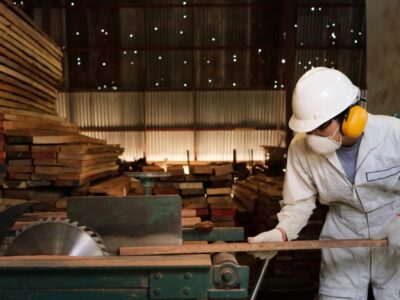
Behind machines and automation lies the human element—a vast workforce that powers the gears of progress. For generations, industrial jobs have offered livelihoods, skills, and social mobility. Entire cities and communities have sprung up around industrial hubs, shaping cultures and collective identities.
However, industry has not always been kind to its workers. From unsafe working conditions in 19th-century textile mills to the labor disputes of the mid-20th century, the quest for fair wages and dignity has often been hard-won. Modern industry must continue to address this legacy, ensuring that automation and cost-cutting do not come at the expense of human welfare.
Challenges: Sustainability and Disruption
As transformative as industry has been, it comes with undeniable costs. Environmental degradation, pollution, and unsustainable resource extraction are pressing issues. Heavy industries account for a significant share of global carbon emissions. If the world is to meet ambitious climate goals, industries must embrace sustainability as more than just a buzzword.
Key challenges include:
-
Carbon Footprint: Transitioning from fossil fuels to renewable energy sources.
-
Waste Management: Reducing industrial waste and promoting circular economy practices.
-
Resource Scarcity: Balancing production with conservation of finite resources.
-
Workforce Displacement: Managing the human impact of automation and AI-driven efficiencies.
Innovation: The Path Forward
Fortunately, the same ingenuity that powered past industrial revolutions is driving solutions today. Green technologies, sustainable materials, and advanced manufacturing processes hold the promise of a cleaner, more resilient industrial future.
Promising trends include:
-
Smart Factories: IoT-enabled plants that optimize production in real time.
-
Additive Manufacturing: 3D printing reduces waste and allows customized production.
-
Renewable Integration: Solar, wind, and bioenergy powering industrial facilities.
-
Circular Economy: Recycling and reusing materials to extend their lifecycle.
The Global Industrial Landscape
Industry today is a global affair. Supply chains stretch across continents, and disruptions—whether due to pandemics, geopolitical conflicts, or natural disasters—reveal how interconnected we truly are. Recent years have seen nations rethinking industrial dependencies, emphasizing local manufacturing and resilient supply chains.
Meanwhile, new industrial powerhouses are emerging. Southeast Asia, India, and parts of Africa are poised to become major players, leveraging young workforces and technological adoption to fuel growth.
The Human Responsibility
In an era where machines increasingly mimic human tasks, the enduring challenge is to ensure that industry remains humane. The future demands a delicate balance:
-
Ethical Automation: Using AI and robotics to complement rather than replace human labor.
-
Lifelong Learning: Equipping workers with skills to thrive in a shifting industrial landscape.
-
Inclusive Growth: Ensuring that industrial benefits reach marginalized communities.
Conclusion: Industry as a Reflection of Human Progress
Industry is more than production lines and balance sheets. It is a reflection of human creativity, resilience, and adaptability. It symbolizes our capacity to transform nature’s raw potential into life-changing innovations.
As we look ahead, the challenge is not merely to produce more, but to produce better—responsibly, equitably, and sustainably. In doing so, we honor the generations whose sweat and genius built the industries of yesterday, while creating a foundation for the generations who will inherit the industries of tomorrow.
In the end, industry is not just an engine of progress—it is a testament to the enduring spirit of humanity itself.