 By Mike Lee
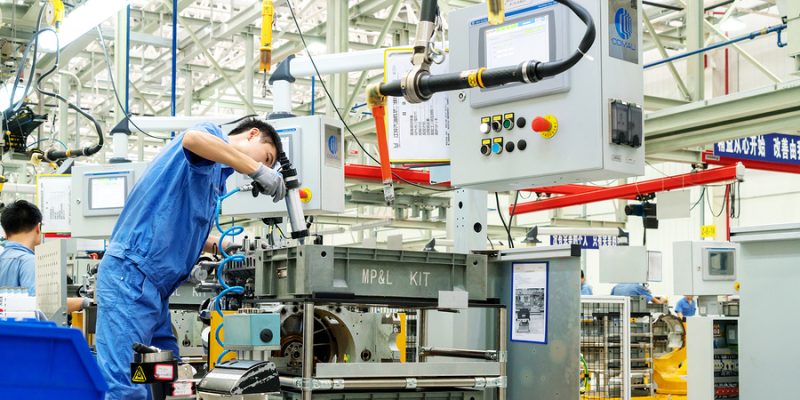
In manufacturing and industrial settings, the performance of machines has a direct influence on the success of daily operations. Two important measures—uptime and availability—help determine whether equipment is supporting productivity or slowing it down. By understanding how these factors work together and applying targeted strategies, organizations can reduce disruptions and strengthen efficiency.
Uptime refers to the period during which equipment is functioning properly and able to contribute to production. It is often expressed as a percentage and is one of the clearest indicators of a machine’s dependability. A high uptime percentage means equipment is consistently operational, which allows production lines to move forward with minimal interruption. Achieving this level of performance typically depends on routine maintenance, the use of quality parts, and skilled personnel who understand how to keep systems running smoothly.
Availability takes this concept a step further by including all the time a machine is ready for use, even if it is not actively in operation. This broader metric considers not only working hours but also the machine’s readiness during idle periods. High availability ensures that equipment is always prepared when needed, avoiding bottlenecks and delays in the production schedule.
Focusing on both uptime and availability helps create a more predictable and productive workflow. Equipment that is reliable reduces repair costs and limits unnecessary downtime. It also helps teams stick to deadlines and maintain consistent output quality, which builds trust with customers and strengthens the company’s reputation.
Preventive maintenance is one of the most effective ways to support both uptime and availability. This method involves regularly scheduled inspections, cleaning, and parts replacement to avoid unexpected failures. When done consistently, it reduces the chance of unplanned disruptions and keeps systems operating at their best.
The training and awareness of team members play a major role as well. Operators and technicians who are properly trained are more likely to recognize early signs of wear or malfunction. Their ability to respond quickly and accurately helps prevent minor issues from turning into costly problems.
Investing in durable, modern equipment is another step toward better performance. Machines that are engineered for long-term reliability typically experience fewer issues and offer easier access to performance data. Many of today’s models include integrated diagnostics and alert systems, which can make maintenance more targeted and efficient.
Environmental conditions can also influence machine health. Factors such as temperature, dust levels, and moisture in the workspace affect how equipment performs. Controlling these variables helps protect internal components and supports better reliability over time.
To measure performance accurately, organizations often use metrics like Mean Time Between Failures (MTBF) and Mean Time to Repair (MTTR). These figures help gauge how often machines experience problems and how quickly they are returned to service. Together, they offer insight into how well maintenance strategies are working and where improvements might be needed.
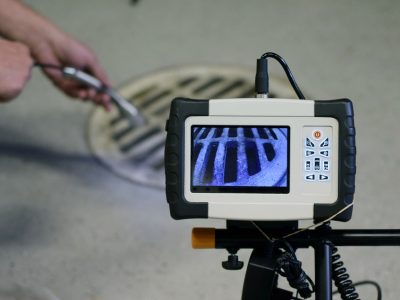
In addition to preventive efforts, predictive maintenance is becoming more common. This approach uses sensors and performance analytics to detect potential issues before they cause downtime. By identifying patterns and anomalies in real time, teams can make informed decisions about when to take corrective action. This not only extends the life of equipment but also reduces the risk of interruptions during critical production periods.
Keeping equipment available and in good working condition is a strategic priority for any operation that values efficiency and quality. Through smart maintenance practices, careful training, environmental controls, and the right use of technology, businesses can increase reliability and keep production moving forward without unnecessary setbacks. For more on this, check out the accompany resource from Advanced Technology Services, a provider of vibration analysis services.